Courses
Structured, self-paced learning paths for data science, machine learning, and AI.
Beginner
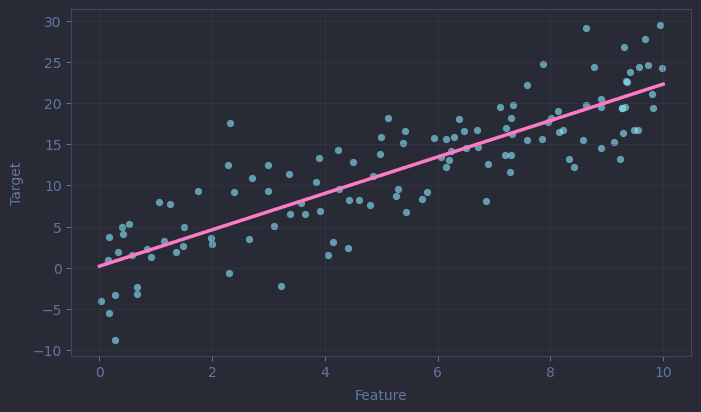
Introduction to Data Science
A practical introduction to data science for working professionals. You'll go from raw data to real insights using Python, pandas, and real-world datasets — no academic fluff.
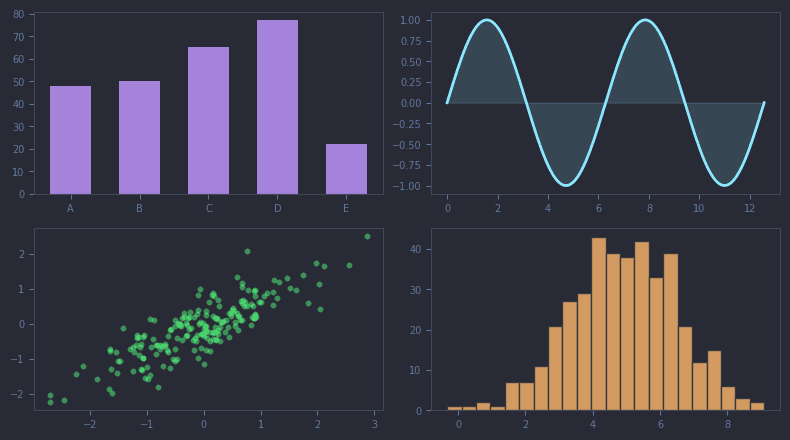
Data Visualisation and Communication
Go beyond basic charts. Learn how matplotlib and seaborn actually work, then use that foundation to build distribution plots, correlation matrices, time series charts, and presentation-ready figures — and develop the judgment to communicate findings clearly to any audience.
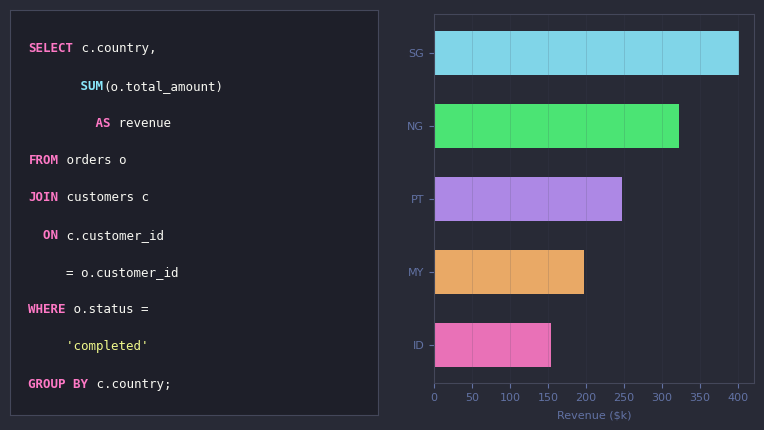
SQL for Data Analysis
Learn to query relational databases with SQL — and to audit the SQL that AI tools now write for you. This course covers filtering, aggregation, joins, CTEs, window functions, and cohort analysis on a realistic e-commerce dataset, with a focus on the silent failure modes that make a query return plausible but wrong numbers: double-counting joins, NULL traps, and misplaced filters. No Python or prior database experience required.
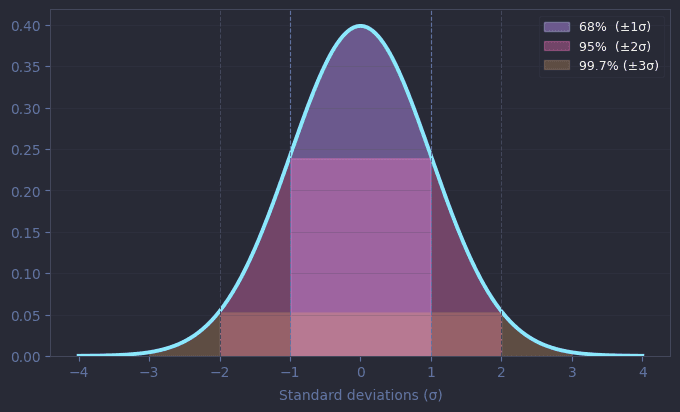
Statistics for Data Science
The statistical foundations every data scientist needs — distributions, hypothesis testing, correlation, and inference — taught through the lens of directing and auditing AI-generated analyses.
Exploratory Data Analysis
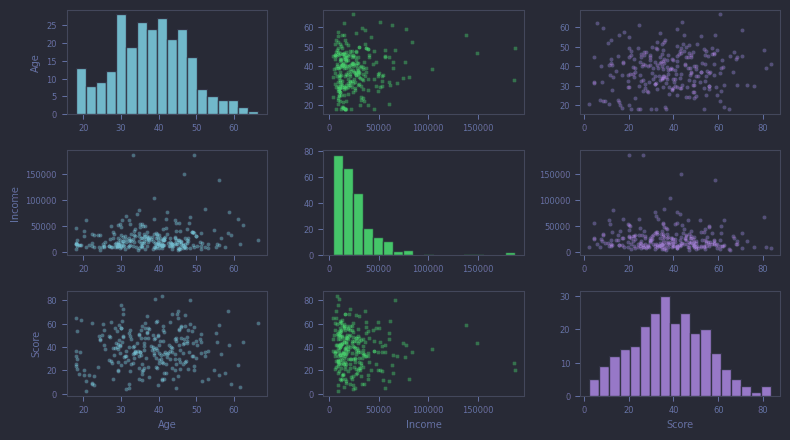
Learn to direct and validate AI-assisted exploratory data analysis. You'll develop the judgment to know which questions to ask, how to read results critically, and how to catch AI output that looks right but isn't — covering profiling, distributions, outliers, relationships, and how to communicate findings.
AI-Assisted Data Science
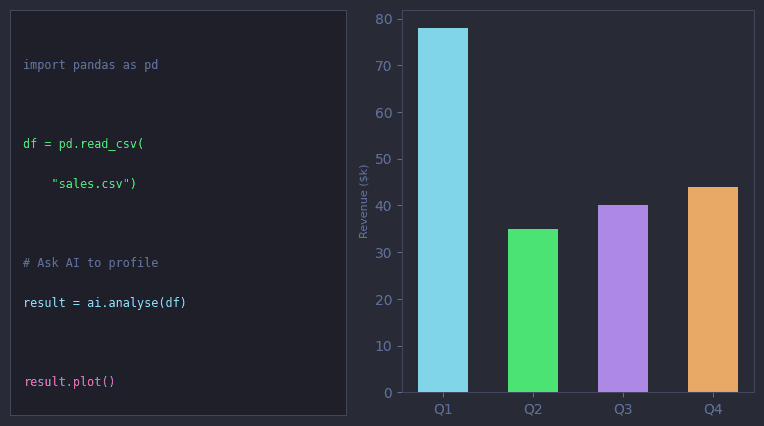
A beginner course on doing data work with AI coding tools and coding agents. You'll learn to delegate an analysis with a precise task spec and project instruction file, review both the code an agent writes and the run log of what it did, catch the silent failures in AI-generated pipelines (including the workarounds agents use to get past their own errors), decide what data and permissions an agent may have, and take professional responsibility for the result.
Practitioner
Data Wrangling & Feature Engineering
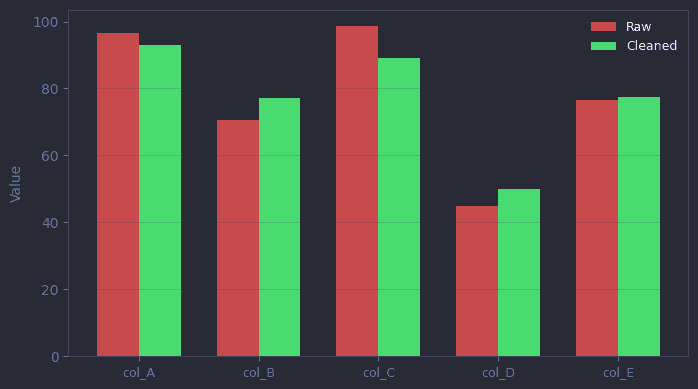
Real-world data rarely arrives clean. This course teaches you how practitioners actually prepare data: auditing a new dataset before touching it, resolving missing values strategically, reshaping messy structures, and encoding features ready for a model. You will leave with a repeatable audit and cleaning workflow you can apply to any dataset — and the judgment to know when AI-generated cleaning code is correct and when it isn't.
Time Series Analysis & Forecasting
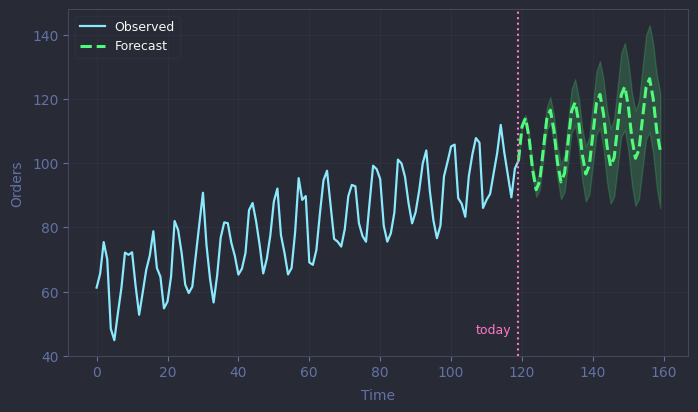
Learn to analyse temporal data and build forecasts in Python — and to audit the forecasting code AI tools now write for you. This course covers datetime handling and resampling in pandas, trend and seasonality decomposition, autocorrelation, baseline and classical models (exponential smoothing, ARIMA), ML-based forecasting with lag and rolling features, and backtesting without temporal leakage, using a realistic daily e-commerce orders dataset throughout. For practitioners comfortable with Python and pandas.
Feature Engineering & Pipelines
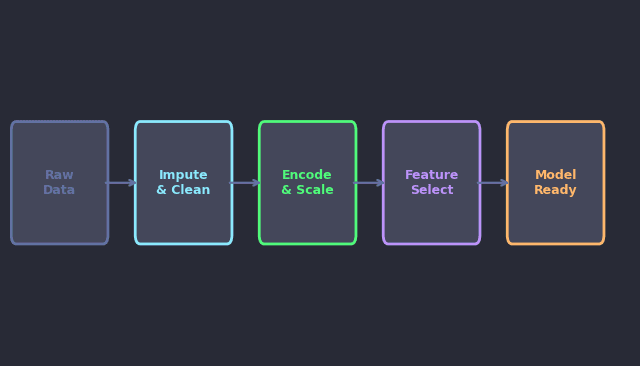
Preprocessing mistakes are the most common cause of models that look good in development and fail in production. This course covers the three forms of data leakage, shows you how sklearn Pipelines make correct preprocessing structural, and teaches you to compose ColumnTransformers for mixed-type DataFrames. You will finish with a production-grade pipeline you can serialise, deploy, and audit — including a systematic protocol for reviewing AI-generated preprocessing code.
Introduction to Machine Learning
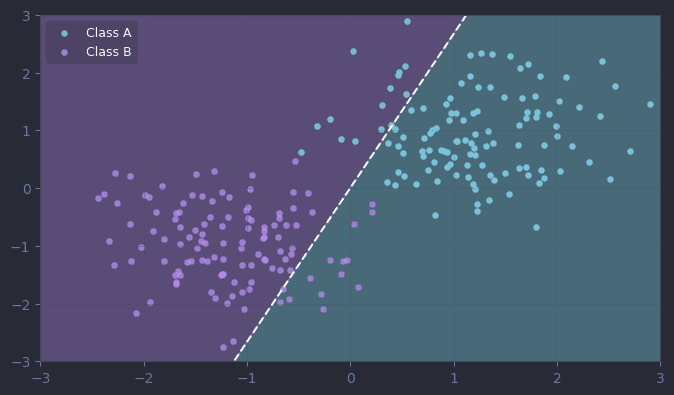
A practical introduction to machine learning for working professionals. Build regression, classification and clustering models in scikit-learn, evaluate them honestly, tune them, and prepare them for deployment.
Applied Machine Learning
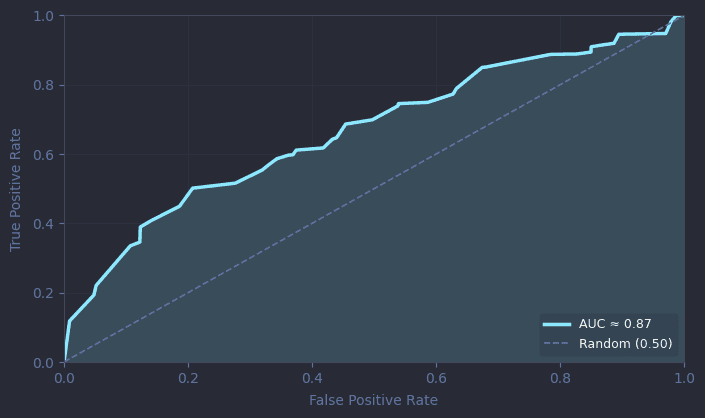
Build production-ready ML workflows: rigorous evaluation, feature selection, ensemble methods, calibration, model interpretability, and end-to-end pipelines that hold up outside the notebook.
Natural Language Processing with Python
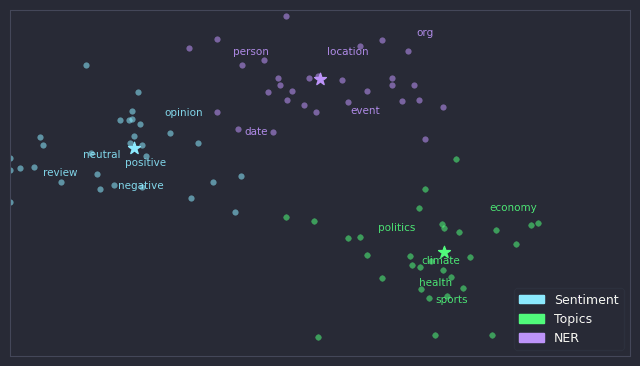
Understand how text becomes data: tokenisation, representations, embeddings, and evaluation. Built around the judgment skills practitioners need to direct AI tools confidently and catch silent NLP failures.
Unsupervised Learning & Clustering
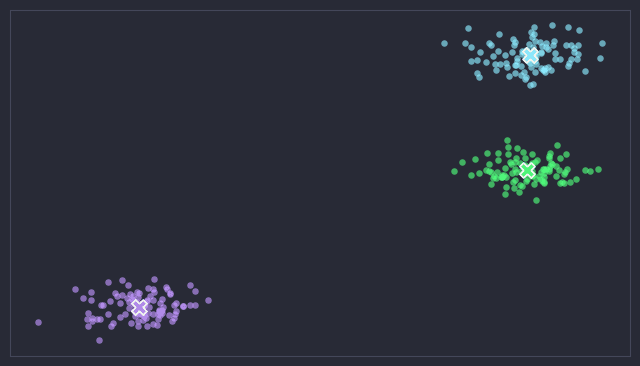
Master clustering, dimensionality reduction, and anomaly detection: k-means, DBSCAN, hierarchical methods, PCA, t-SNE, UMAP, Isolation Forest, and PCA reconstruction error. Learn what each algorithm assumes, when to use it, how to choose hyperparameters, and how to evaluate results without ground-truth labels. Build clustering pipelines that actually work in production.
Advanced
Building AI Applications with LLMs
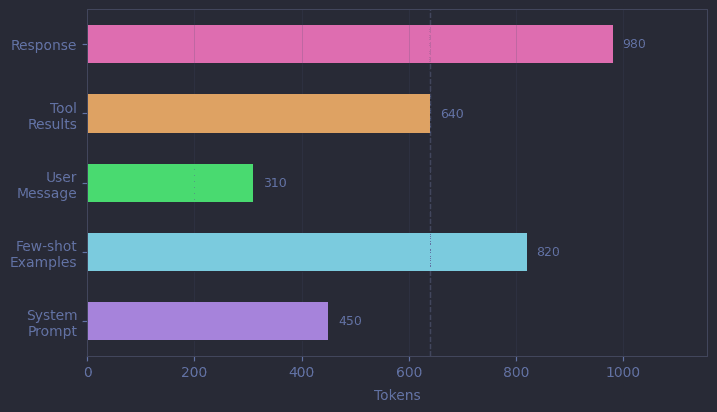
For ML engineers who have deployed models and want to go beyond API integration. This course covers prompt architecture as a typed contract, three-layer output validation, eval frameworks, cost and latency optimisation, observability, and the governance obligations that come with systems that affect real decisions.
Retrieval & RAG Systems
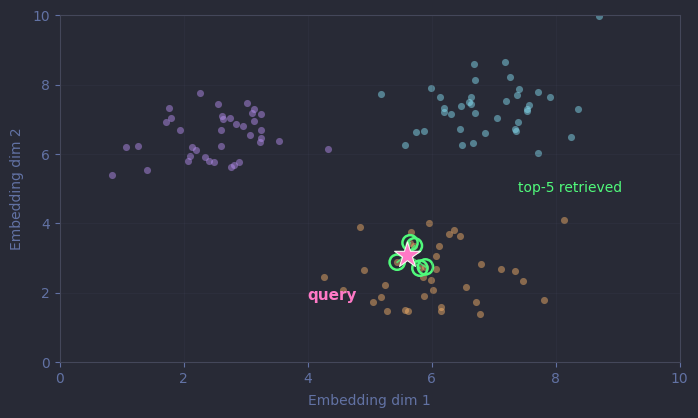
For engineers who have built LLM applications and hit the ceiling of naive RAG. This course covers chunking as a retrieval design decision, hybrid BM25-plus-dense search with reciprocal rank fusion, query rewriting, cross-encoder re-ranking, retrieval metrics (recall@k, MRR, nDCG), faithfulness and groundedness evals, index freshness, permission-aware retrieval, and auditing AI-generated RAG pipelines.
Building Production AI Agents
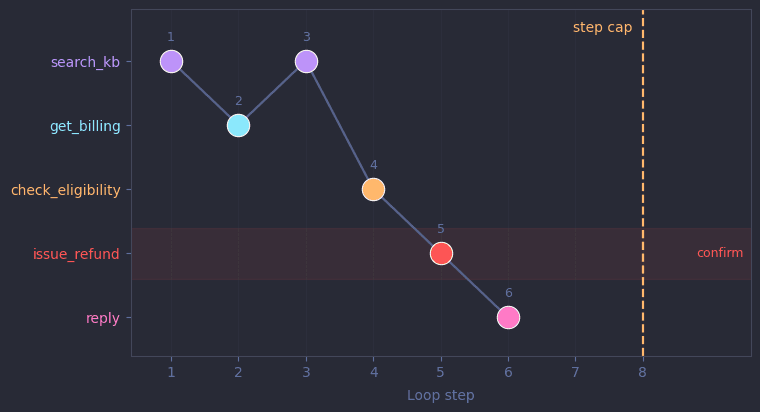
For engineers who have built LLM applications and RAG systems and now need to ship agents that work. An agent is a model plus a harness — the tools, permissions, memory, loop and checks around it — and this course teaches harness engineering: the agent loop, tool schema and error design, MCP and agent skills, persistent memory and context compaction, when a multi-agent design is worth its cost, handoffs, trajectory evaluation and execution-based verification, tool-layer security against indirect prompt injection, loop and cost budgets, and a capstone audit of an AI-built agent.
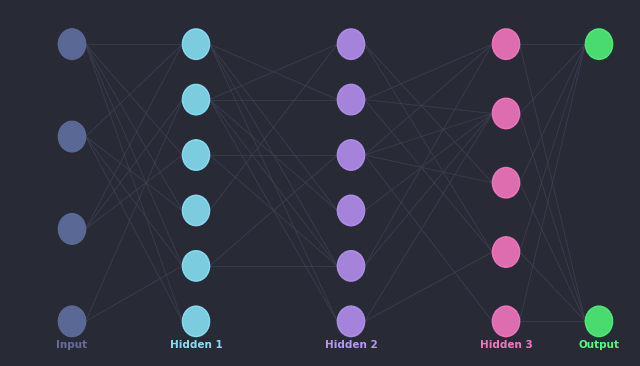
Deep Learning with PyTorch
Build, train, and debug neural networks with PyTorch: tensors, autograd, training loops, CNNs, transfer learning, and the systematic skills to catch what AI gets wrong in deep learning code.
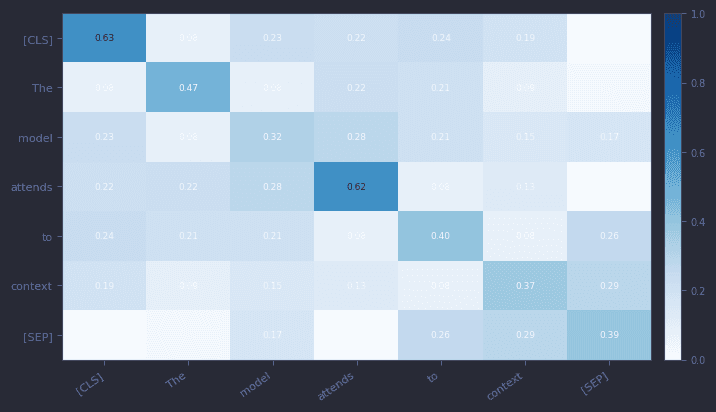
Transformer Models & Fine-Tuning
Understand how transformers work at the architectural level, then fine-tune pretrained models from Hugging Face for real tasks — covering attention, tokenisation, full and parameter-efficient fine-tuning, distilling small task-specific models, and the systematic skills to catch what AI gets wrong in fine-tuning pipelines.
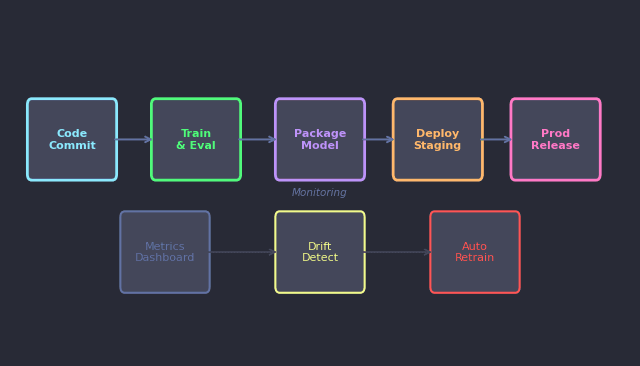
MLOps & Model Deployment
Close the gap between a working model and a reliable production system. Learn how to package, deploy, monitor, and govern ML models — and develop the judgment to catch the silent failures that AI tools introduce at every stage of the deployment pipeline.
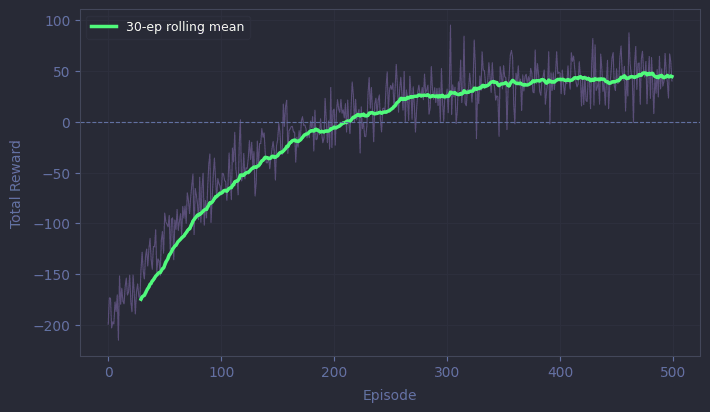
Reinforcement Learning
Master RL from tabular methods to deep policy optimisation, and see how it is used to post-train language models. Build working agents in PyTorch, understand when each algorithm class applies, and develop the judgment to audit AI-generated RL configurations before they reach production.